

Note: This newsletter is best viewed in your browser for full access to all content.
A Little Self Care for Music Teachers
As music teachers, we spend our days singing, speaking, and giving our energy to our students. With busy schedules and concert preparations, it's easy to forget to take care of ourselves!
Our voices are one of our most important teaching tools. This week, we're sharing some practical voice-care tips, along with our Yoga for Voice video series on MusicplayOnline.
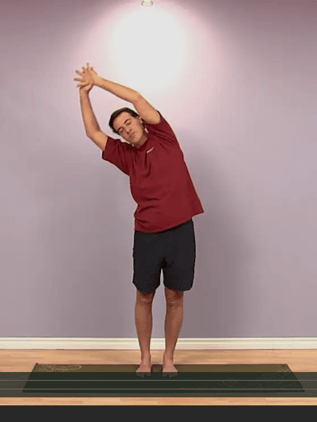
Yoga for Voice
5 Video Series
Take a few minutes to relax, recharge, and care for your voice with Yoga for Voice on MusicplayOnline.
Created for MusicplayOnline by David Wilson, an accomplished singer, voice teacher, and senior yoga instructor, these five videos explore breathing, gentle movement, and relaxation techniques to support healthy voice use. Whether you're looking to release tension or simply take a few moments for yourself, this is a great resource for busy music teachers!
Explore Yoga for Voice on MusicplayOnline
Voice Care Tips for Music Teachers
Denise Gagné often shared practical ways to protect her voice while teaching. Here are a few of her favourite strategies, along with some everyday voice-care reminders.
Everyday Voice Care
- Stay hydrated: Keep water nearby and sip throughout the day.
- Rest your voice: Take short vocal breaks and avoid speaking over noise.
- Avoid throat clearing: Try sipping water or swallowing instead.
- Release tension: Relax your jaw, neck, and shoulders. Practise comfortable breathing.
- Warm up gently: Try humming, lip trills, and easy vocal slides.
5 Voice-Saving Classroom Strategies
1. Use Non-Verbal Cues
Teach students hand signals for standing, sitting, forming a circle, or beginning a musical activity. Use a conductor's preparatory beat instead of counting aloud!
2. Sing FOR Your Students, Not Always WITH Them
One of Denise's favourite tips! Model the song, then listen as students echo or sing independently. You'll save your voice while developing their listening skills and independence.
3. Talk Less, Demonstrate More
Keep instructions short. Use visual cues, demonstrations, and student leaders whenever possible.
4. Use MusicplayOnline Recordings
Let the vocal tracks help model songs! Play a phrase, pause, and have students echo. Use accompaniment tracks once students are ready to sing independently.
5. Use a Microphone or Voice Amplifier
A classroom microphone or portable voice amplifier can help reduce vocal strain, especially in larger or noisier classrooms.
Remember: Taking care of your voice is part of taking care of yourself. Small changes to your teaching routines can make a big difference!
Wednesday Webinars
Exploring The Nutcracker Resources
with Stacy Werner
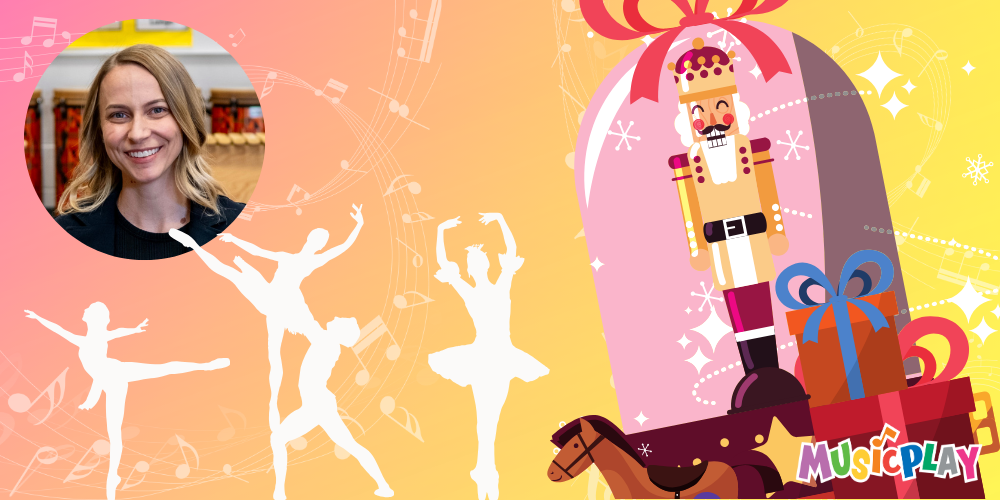
Wednesday, December 2nd, 2026 @ 4:30-5:30 MST (60 Minutes)
A recorded version will be available if you are unable to watch live.
About the Webinar:
Join Stacy Werner to explore resources and materials on The Nutcracker on MusicplayOnline! This webinar will set you up to include The Nutcracker ballet, resources, and our storybook adaptation in your music classes.
Musicplay Team Updates:
We wanted to take the opportunity to share some updates from the team:
Content Updates:
- Notation and lyric slides and videos added to new musical Kick It
- Echo sing videos added to Solfa Practice Level s,l,t,drmfsl
- Echo sing videos added to Solfa Practice Level s,l,t,drmfsltd’
Development Updates:
- New Drum Machine interactive
- New Staff Lesson bass resources
- Support for 2 beat rhythms in Word Rhythm Composition tool
- Added the ability to disable student codes
- Navigation now remembers the last open state.
- Notifications can now be dismissed more easily
